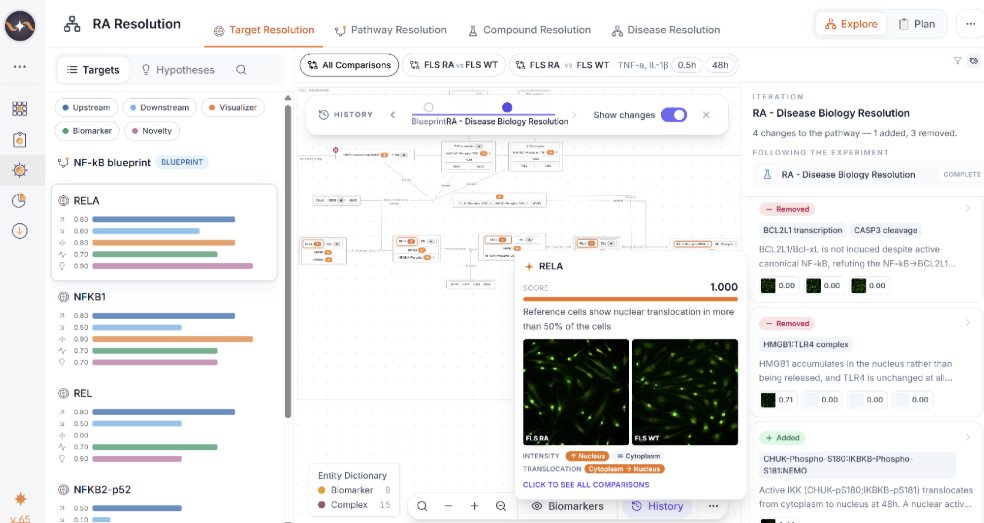
BioGPU The cellular biology runtime for AI agents
Give AI the missing biology to design better, safer drugs
Biology is a dynamic network of thousands of parallel molecular activities
To design better drugs, AI must understand the state of that network and how it responds to intervention



With BioGPU, AI agents see and experiment across cellular networks at scale to discover how molecules change biology and design better ones.
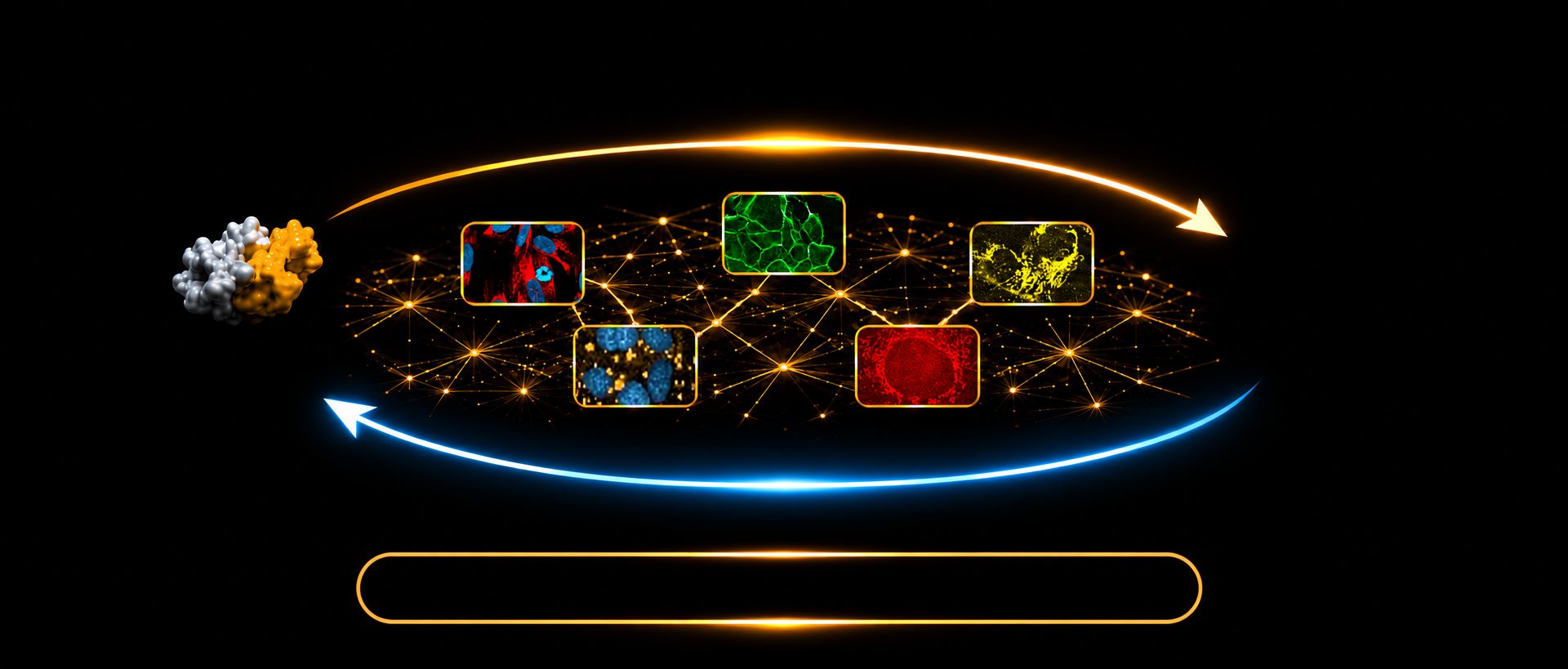
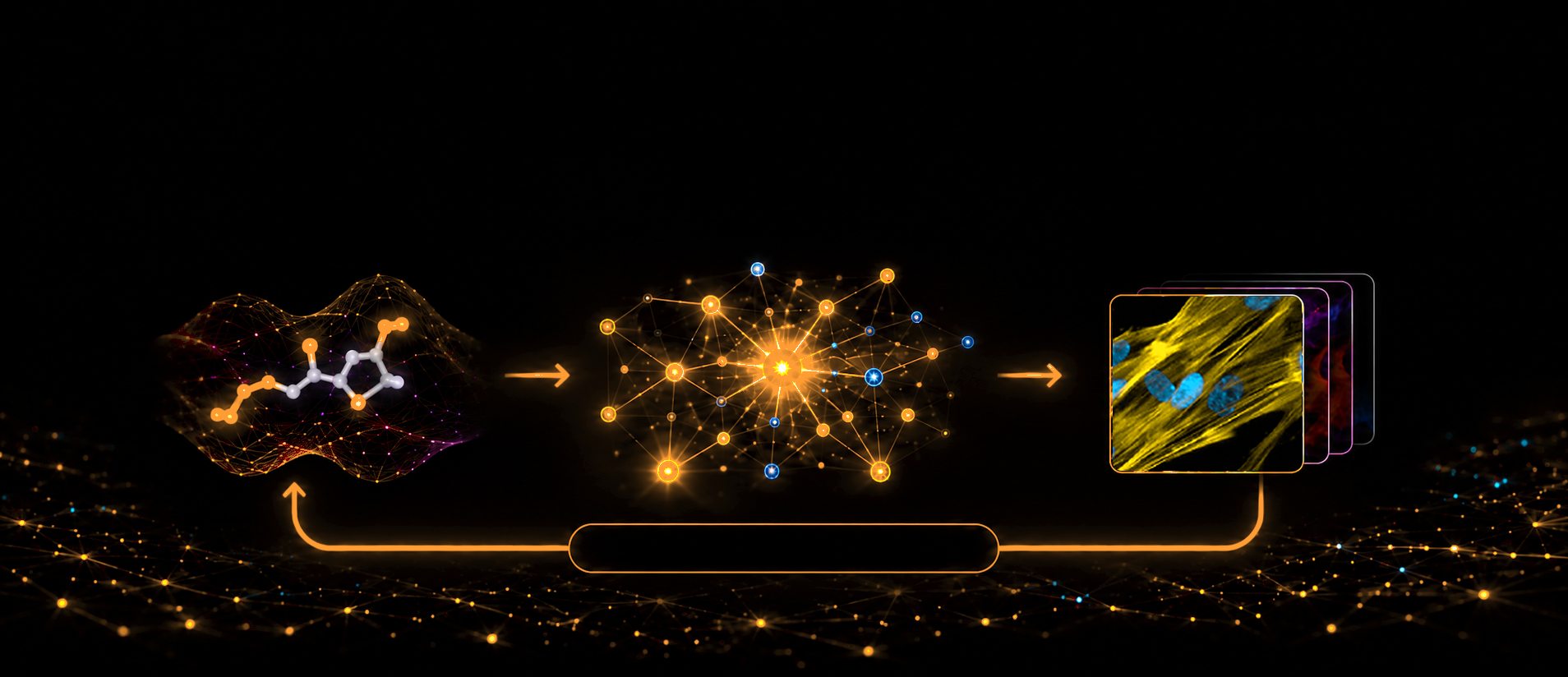
AI designs molecules
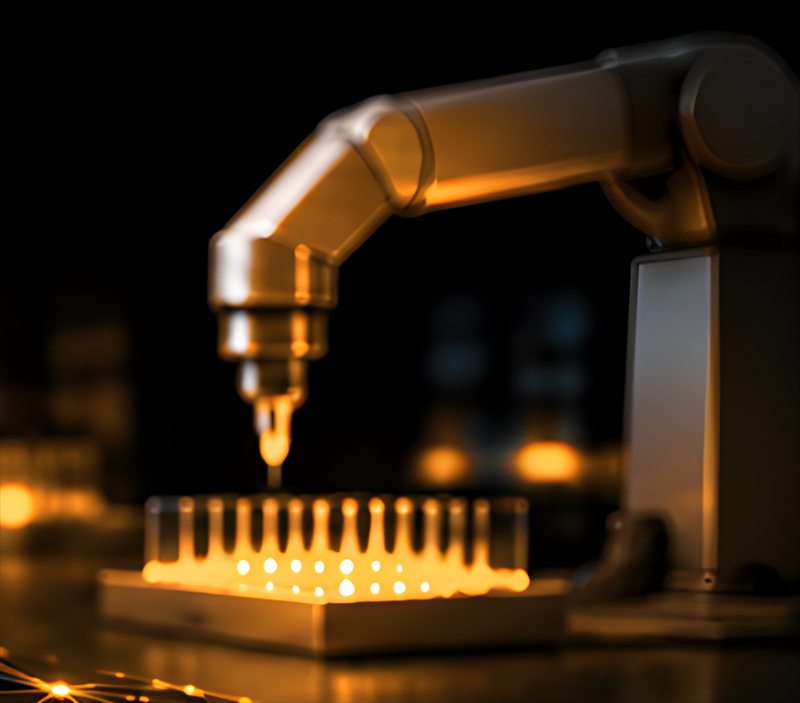
BioGPU runs cellular-network experiments at scale
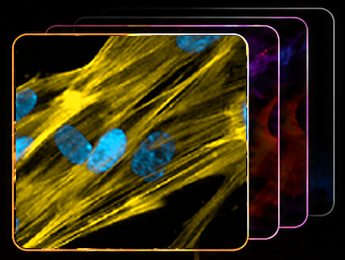
Cellular Network Response
Functional Biology. Now in the Design Loop.
Giving AI Eyes on Cellular Networks.
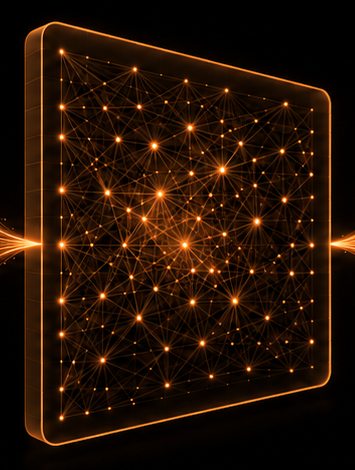
BioGPU is a purpose-built AI-to-Cell technology stack that generates a new class of imaging data, enabling its Foundation Model to recognize molecular activities across cellular networks.

Visual Biology Foundation Model
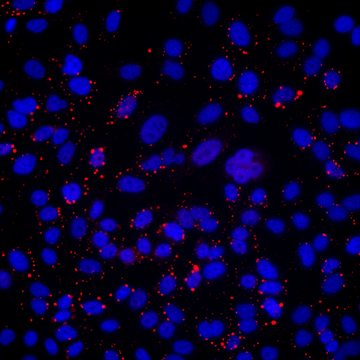 RNA granules
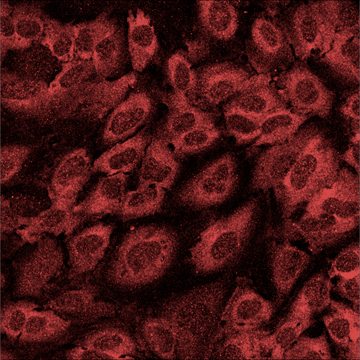 Phospho-signaling
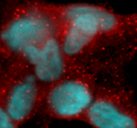 mRNA Translation
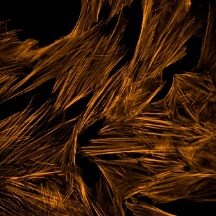 Cytoskeletal dynamics
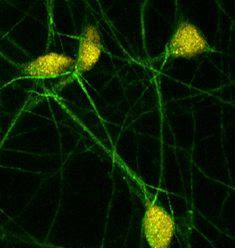 Protein localization
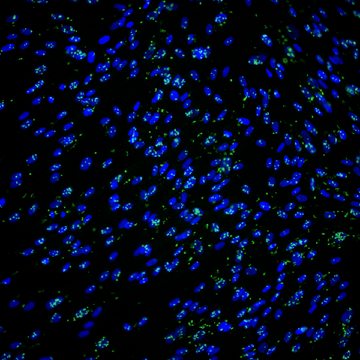 Protein interactions
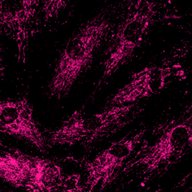 Mitochondrial state
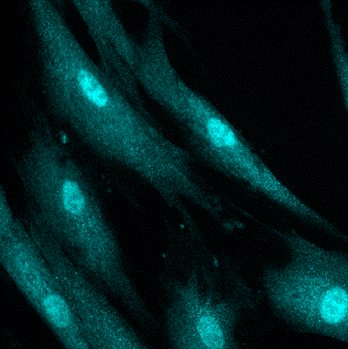 Nuclear translocation
- 2,500+ activities
- 2,500+
- Molecular activities
- 1,000+
- Experiments per run
- Cells
- Millions across conditions
Visual Biology Foundation Model
Trained to see cellular biology at work
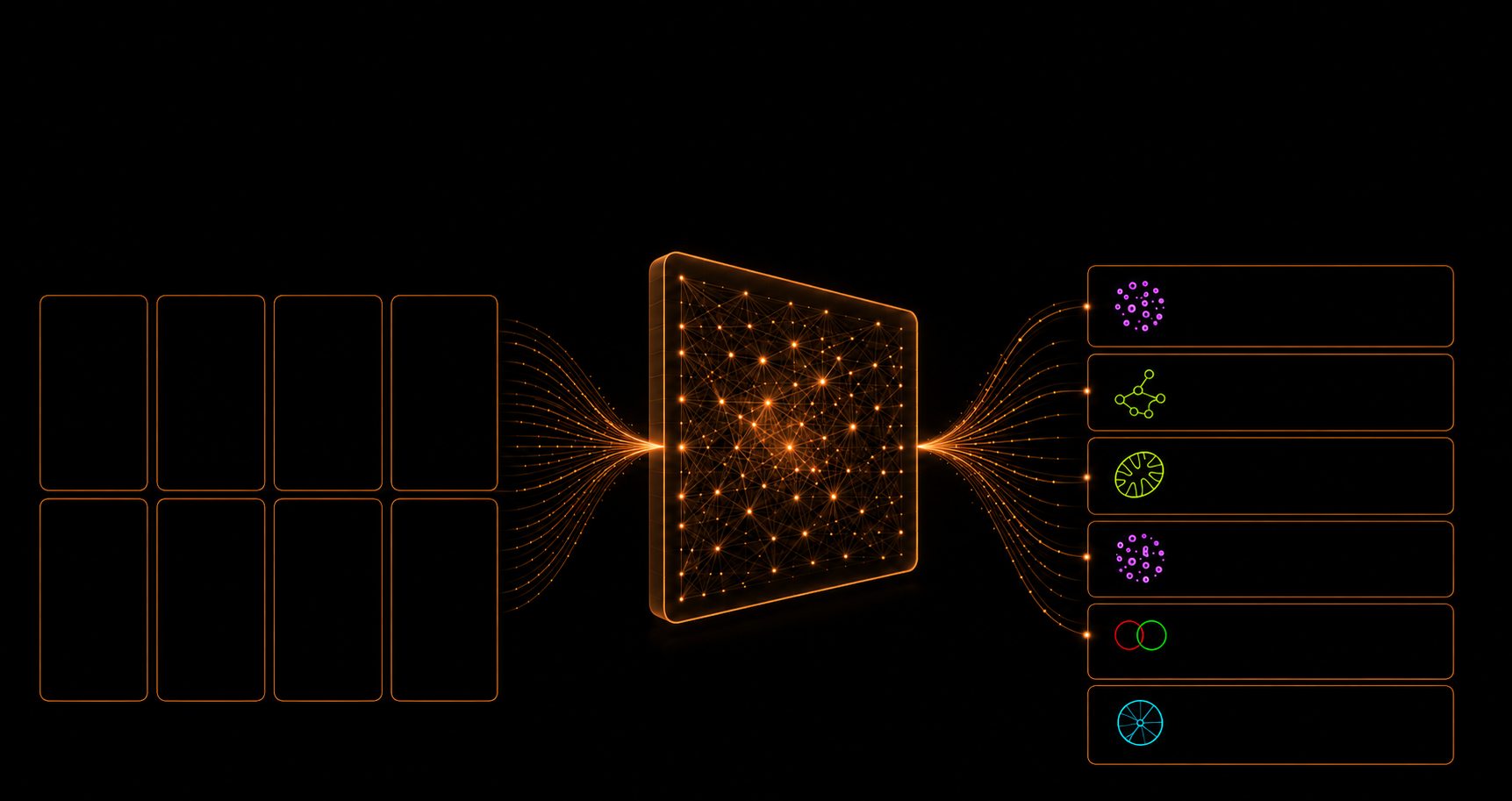
Cellular Network Images Visual representations of biological reality
- Protein localization
- Nuclear translocation
- Phospho-signaling
- Cytoskeletal dynamics
- RNA granules
- Mitochondrial state
- Protein interactions
- mRNA localization
Visual Biology Foundation Model
Across 140 cell types and 25 diseases
Visual Biology Tokens Biological meaning

TDP43 accumulates in the cytoplasm.

mTOR signaling is hyperactivated.

Mitochondrial fragmentation increases.

RNA granule formation is enhanced.

Protein co-localization increases under perturbation X.

Nuclear translocation of TFs is enriched under condition Y.
The model recognizes cellular network activity patterns across new cellular contexts, including patterns absent from its training examples.
Cellular Network Biology. From Inside Cells to AI’s Context Window.
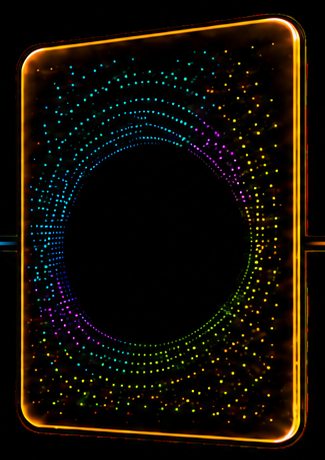
Each Visual Biology Token links an observed molecular activity to its biological meaning and experimental evidence, making it accessible to AI.
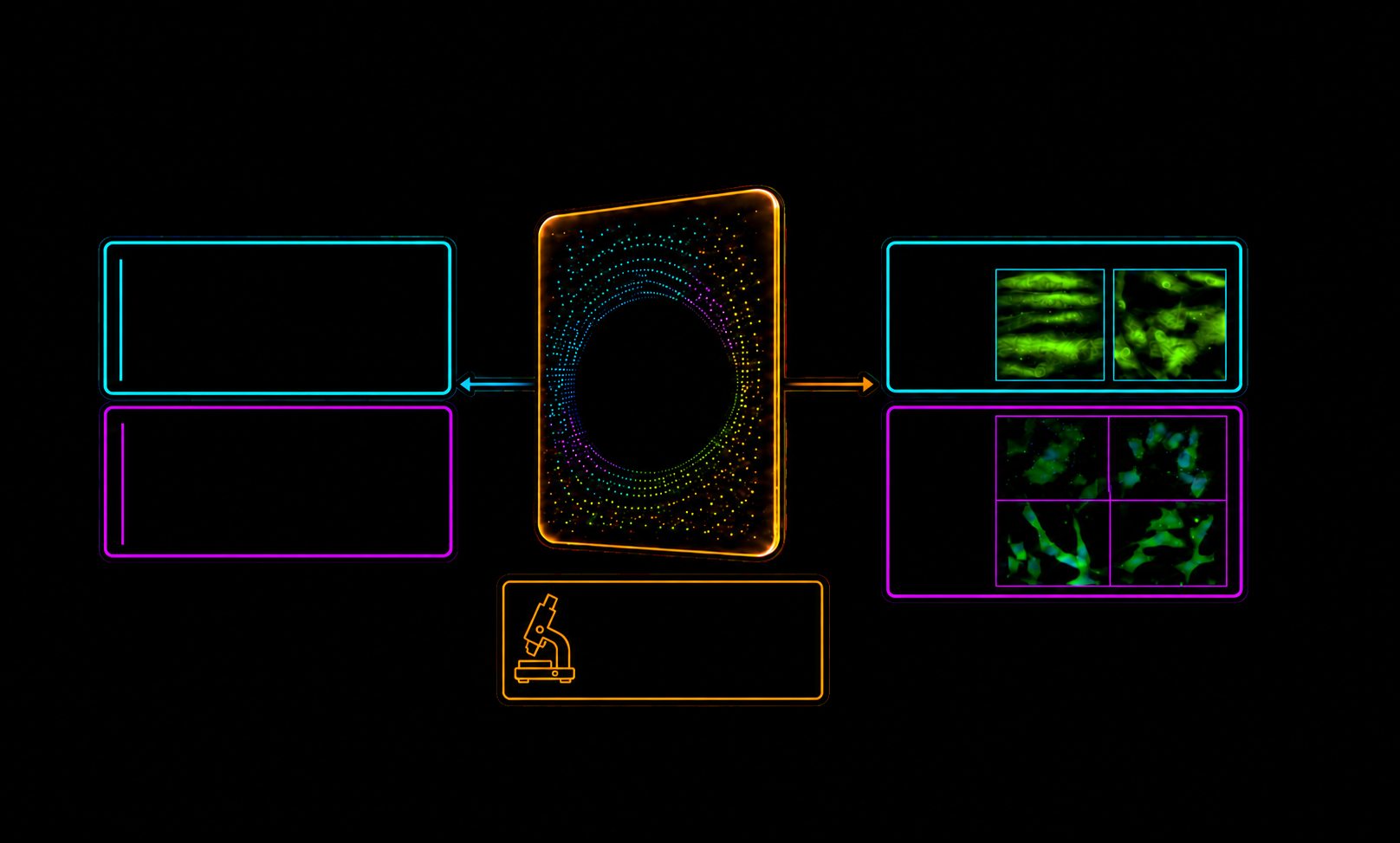
Front: The meaning Biological finding
-
VB-0001
Abnormal NUP62 distribution in both cytoplasm and nucleus reflects misregulated nuclear pore function and nucleocytoplasmic transport defects.
-
VB-0002
DDX6, SMNDC1, and ELAVL4 are identified as functionally relevant regulators of selection of the distal polyadenylation site in the SOD1 3'UTR.
Visual Biology Tokens
Back: The evidence Dynamic visual evidence
-
NUP62
H 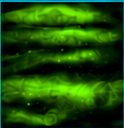
D 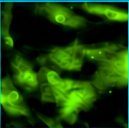
-
DDX6, SMNDC1, ELAVL4
si-Non-Targetingsi-DDX6si-SMNDC1si-ELAVL4

Thousands of tokens produced per experiment
Across pathways, cell types, conditions and diseases
Hundreds of tokens from the same BioGPU experiment collectively represent cellular network biology, enabling AI agents to reason across its activities and interactions.
AI Agents Experiment Inside Cellular Networks
AI agents designs cellular network experiments, learns from the results, and uses the experimentally resolved cellular network intelligence to decide what to investigate next
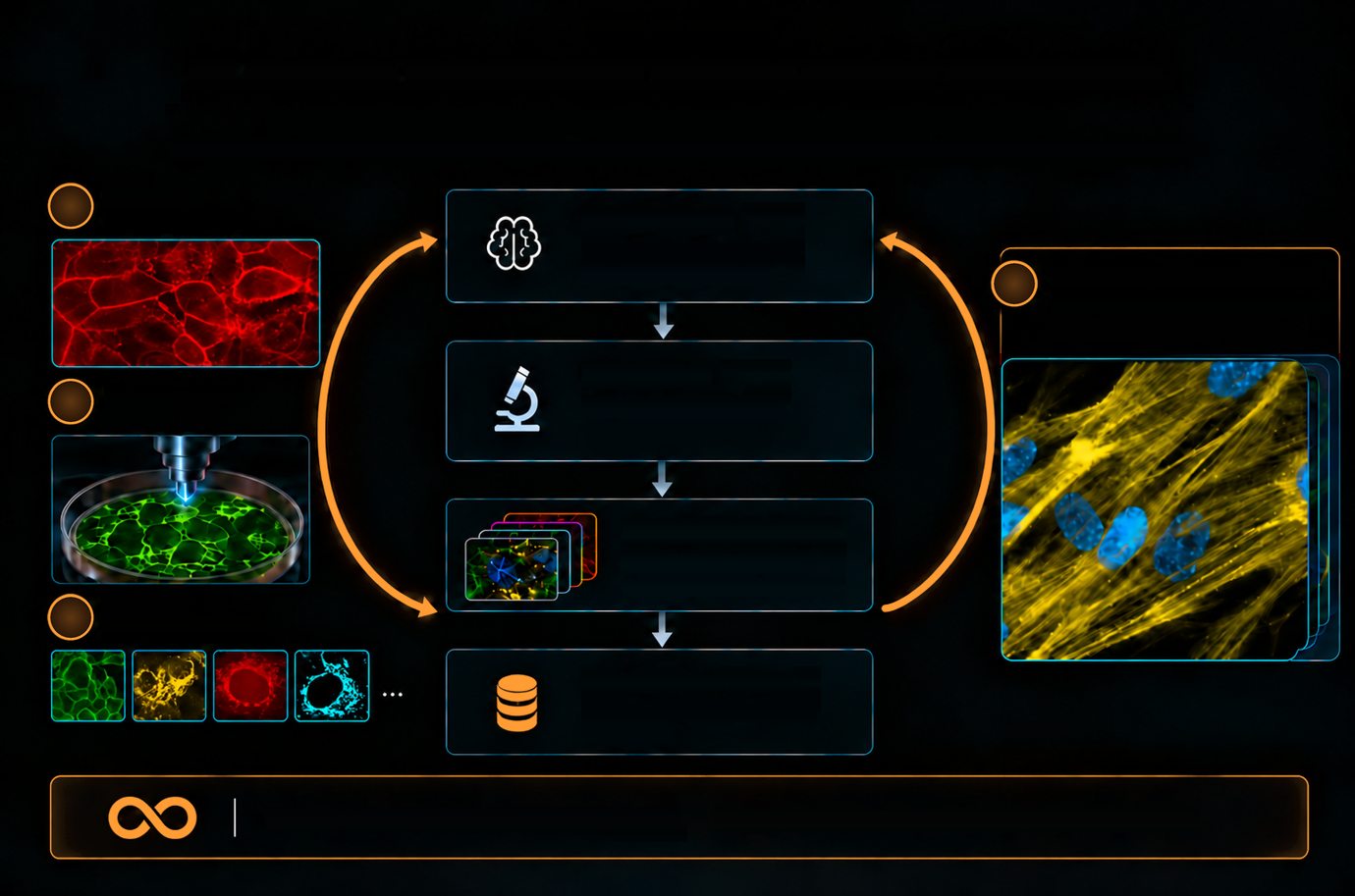

Agent Designs experiments and learns from the results.

BioGPU Pod Executes Visual Biology experiments in cells.
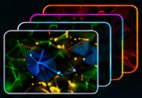
Visual Biology Model Understands cellular activities from images.

Visual Biology Tokens Image + biological meaning + context.
-
1 Design next experiment
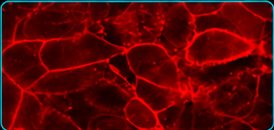
-
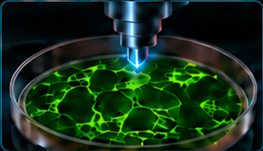
2 Run experiment in cells
-
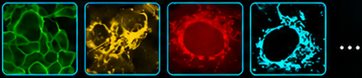
3 Generate Visual Biology data
-
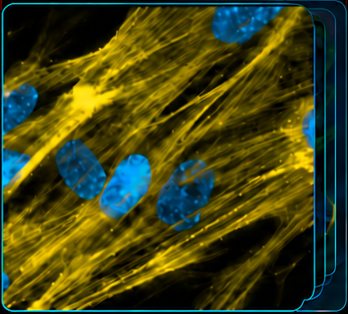
4 Cellular network intelligence
Experimental cellular intelligence revealing how compounds reshape cellular networks over time.
 Every experiment advances the next.
Every iteration deepens the understanding.
More Biology Per Experiment.
A richer view of cellular biology in a single experiment, capturing multiple mechanisms and their interactions together.
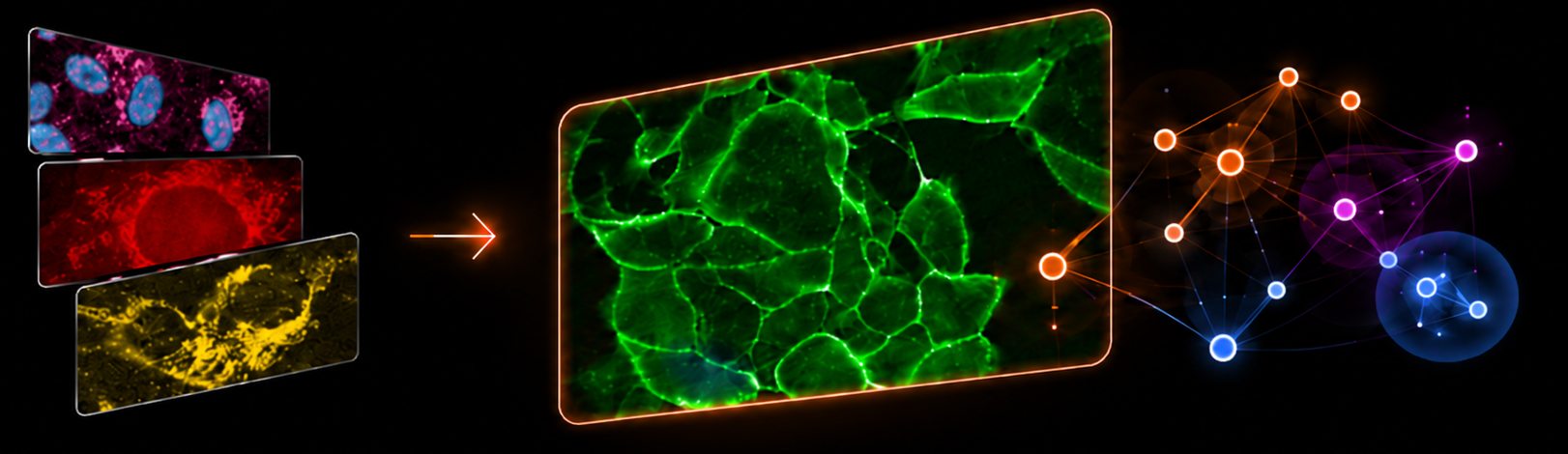
More Intelligence With Every Iteration.
Each experiment deepens the understanding of the cellular network, creating a learning loop that generates new hypotheses and guides the next experiment.
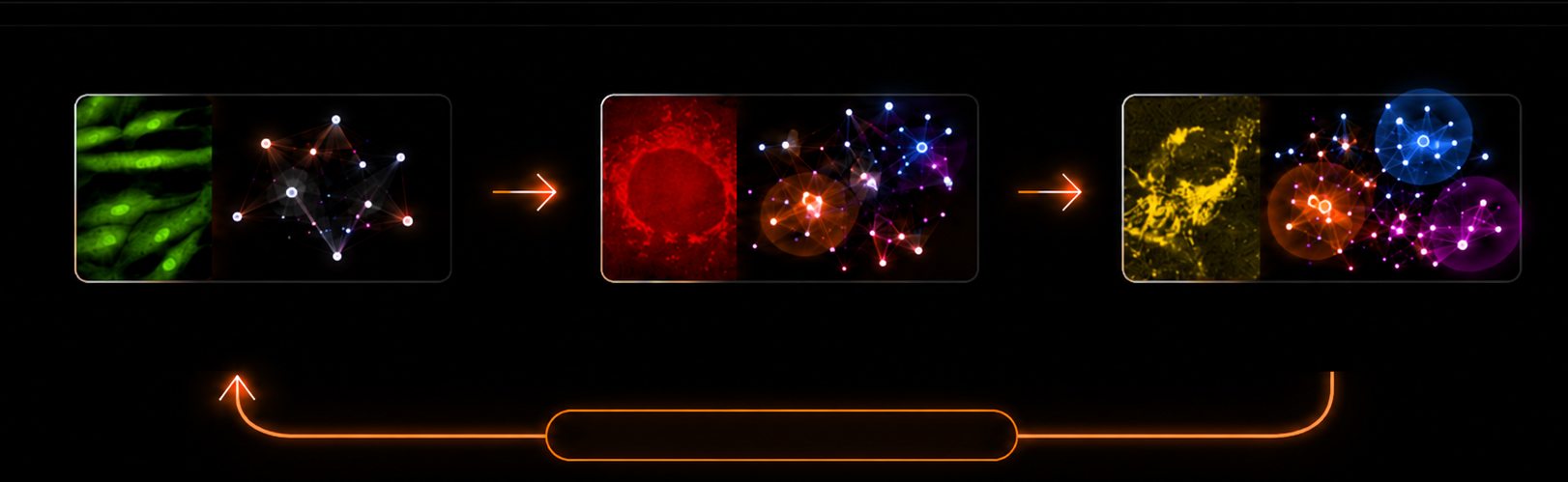
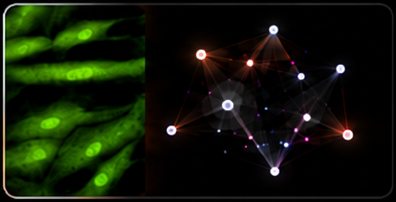
Experiment 1 Initial understanding
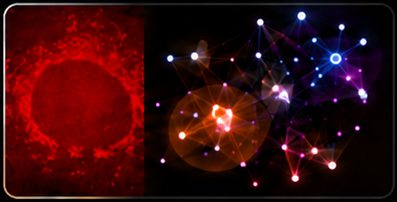
Experiment 2 Deeper network understanding
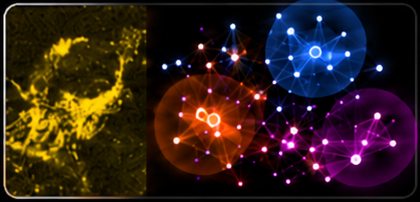
Experiment 3+ New hypotheses and directions
Experimental Learning Loop
Resolve the Biology. Guide the Chemistry.
AI agents use BioGPU to resolve the cellular network around a therapeutic target, then measure how their designed molecules change that network to guide the next design.
AI Agent Designs molecule
BioGPU Experimentally resolves the cellular network
Experimental Evidence Network response to the molecule
Evidence guides the next design
Compounding cellular network intelligence